



 az.early.years

Free
Ideas, inspiration and gentle know-how for early years educators and families. One letter, one idea, lots of little adventures.
To inspire and support early years educators with creative, meaningful and practical ideas from A to Z, that keep the magic of childhood alive.
Hands-on, meaningful learning. Play is how young children make sense of the world.
Children's questions are the best starting point. We follow them and see where they lead.
Ideas that reflect every child, every family and every child's unique journey.
A new letter appears with each new post. Tap a letter to read it.
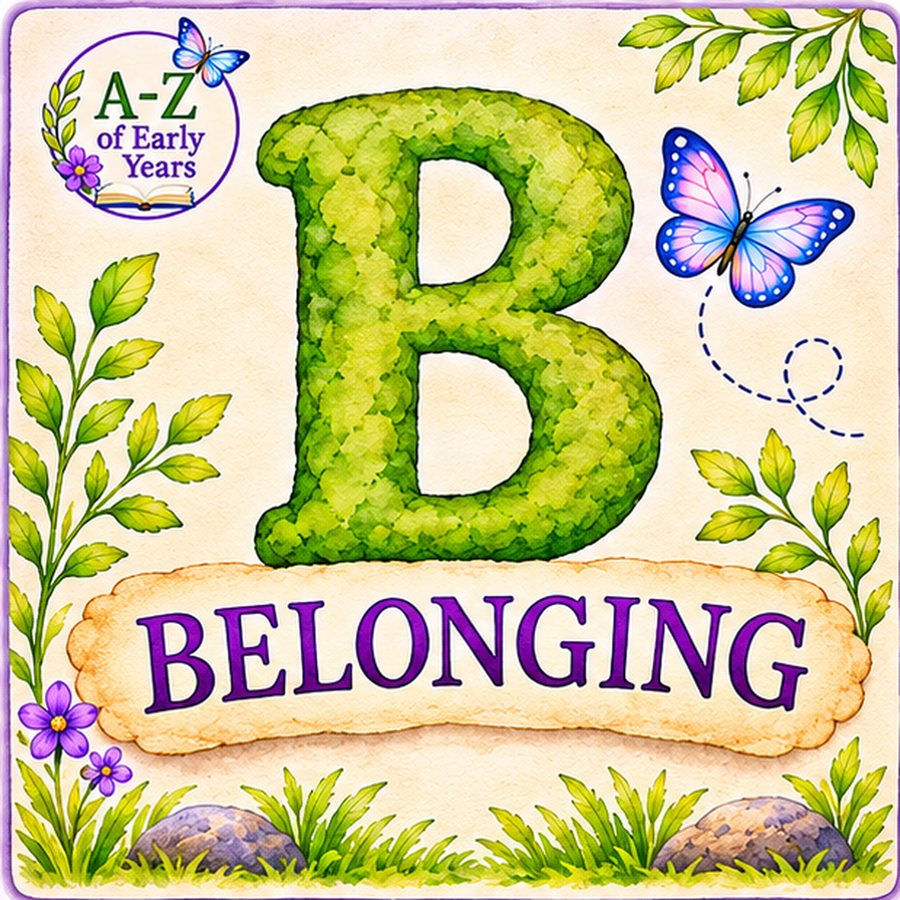
Does your classroom feel like their space? When a child walks through the door each morning, what do they see?
Belonging is about more than having a place to sit or a name on a register. It is about feeling seen, valued and accepted.
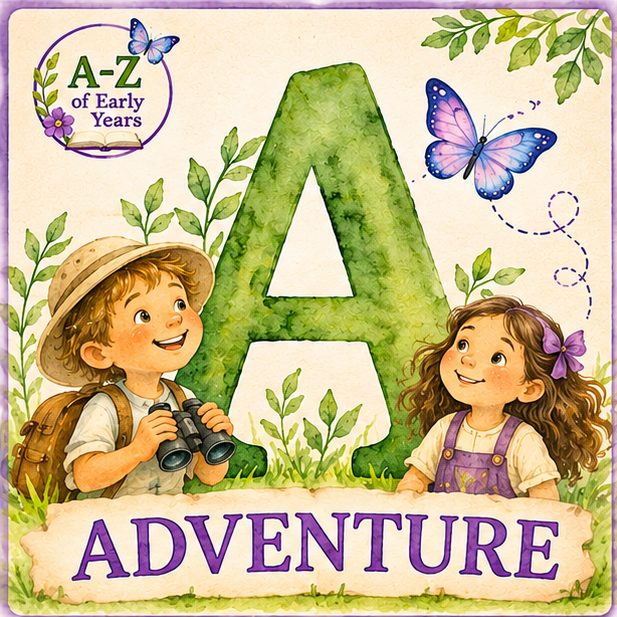
Read the full post A for AdventureSimple, low-cost ideas for the setting or home. No special kit needed.
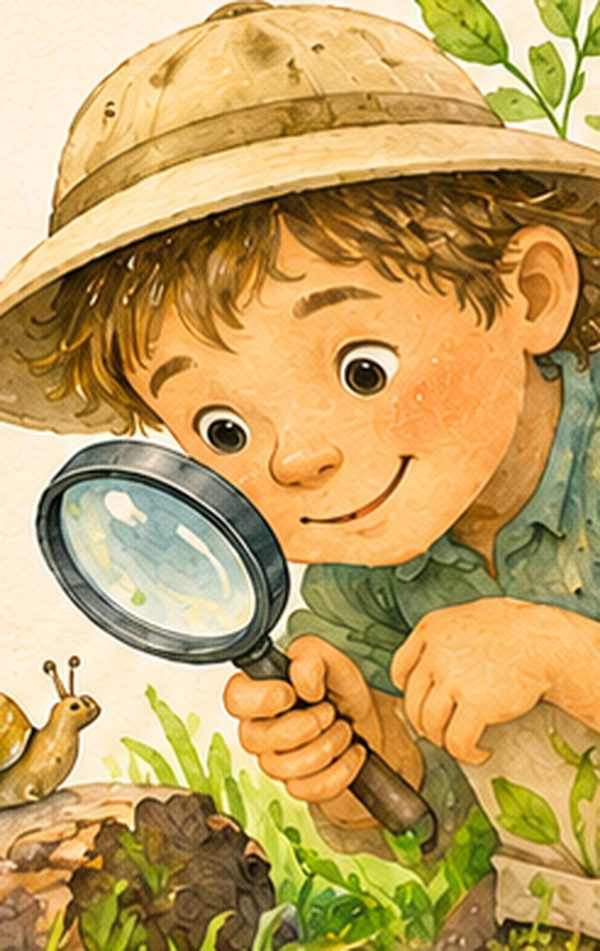
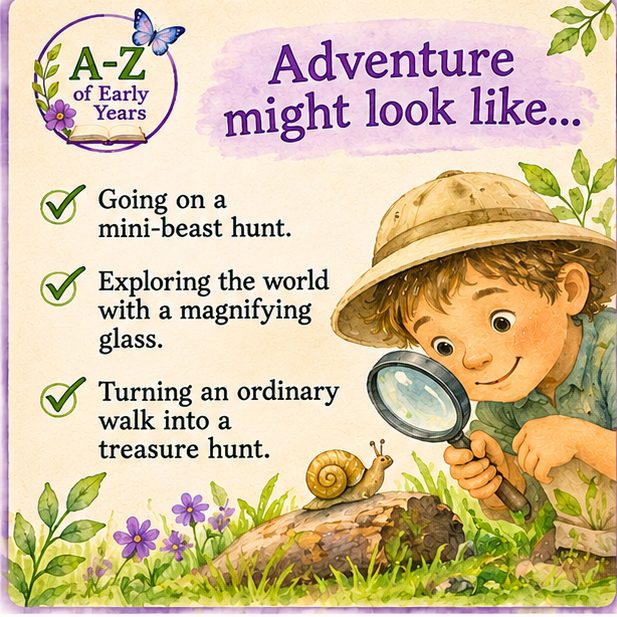
Minibeast hunts build curiosity, careful handling, early maths and a huge amount of new vocabulary.
Try this idea →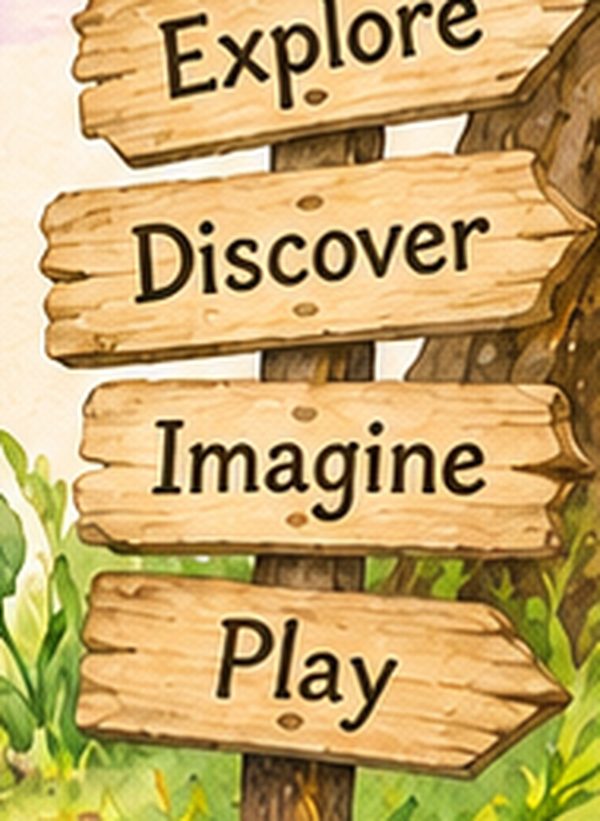
An ordinary walk becomes an adventure.
Try this idea →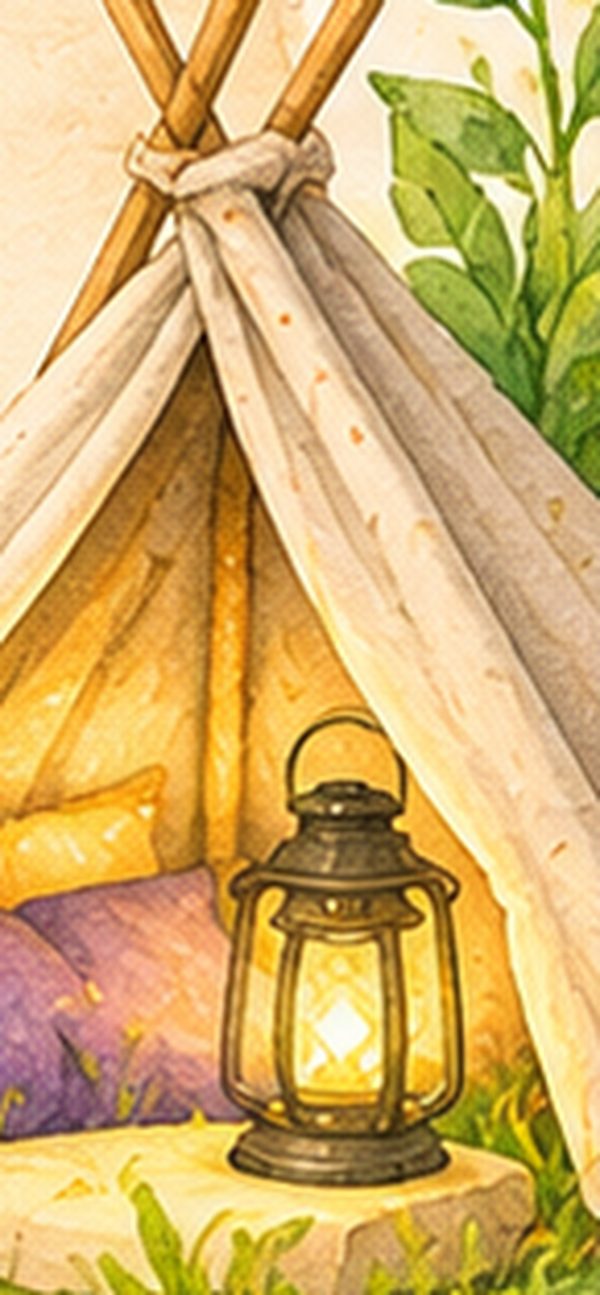
Den building combines teamwork, planning and problem solving with a cosy space children feel ownership of..
Try this idea →
Slow, close looking builds attention, language and a sense of wonder about the natural world..
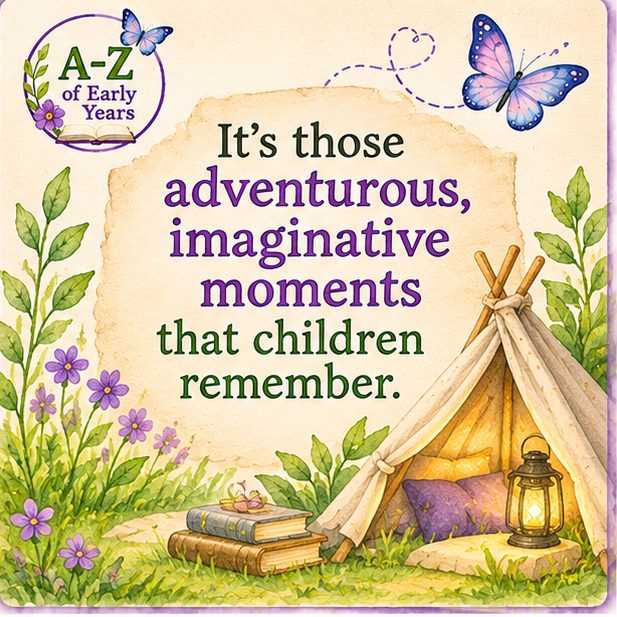
Try this idea →“It's those adventurous, imaginative moments that children remember.”A–Z of Early Years
Sam, Aya, Ishi, Mary, Hamda and Jon appear across our posts, each with their own way of seeing the world.
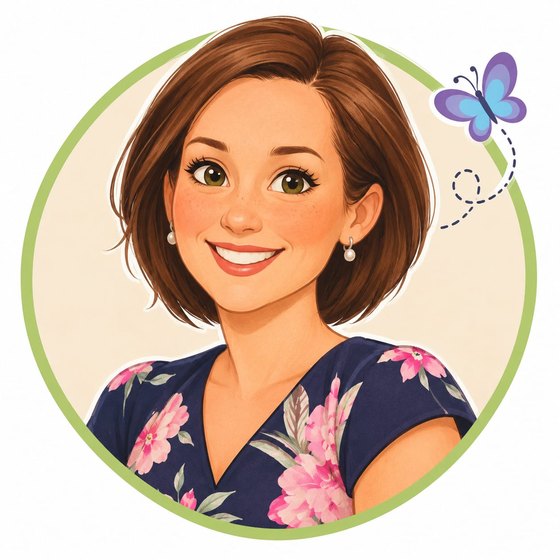
A–Z of Early Years is created by Jennifer Hammond, Head of Early Years and Teaching and Learning Lead, with 18 years of UK curriculum experience, 16 of them leading learning in the UAE. She led her setting to become the first Curiosity Approach accredited school in Abu Dhabi.
New letters, ideas and little moments every week. Follow @az.early.years.
Many are free. The rest cost less than a coffee.
A–Z of Early Years is an early childhood education project that explores one idea for every letter of the alphabet. Each letter shares a value or practice, such as Adventure, Belonging or Curiosity, with simple ideas educators and families can try straight away.
It is created by Jennifer Hammond, a Head of Early Years with 18 years of UK curriculum experience, including 16 years in the UAE. She led her setting to become the first Curiosity Approach accredited school in Abu Dhabi.
It is for nursery practitioners, preschool and Reception teachers, childminders, early years leaders and families of children aged 2 to 7, in the UK, the UAE and anywhere the EYFS is used.
Adventure gives children reasons to explore, take healthy risks, solve problems and use their imagination. Small everyday adventures, like a minibeast hunt or a treasure hunt walk, build confidence, language and a love of learning.
Play-based learning is an approach where children learn through meaningful, hands-on play. Adults plan rich environments, notice children's interests and join in thoughtfully, so curiosity drives learning across communication, physical, social and thinking skills.
Continuous provision is the set of resources and areas that are always available for children to use independently, such as sand, water, construction, mark making and the outdoor area. It lets children revisit, practise and extend their learning in their own way.


